4

Building Early Foundations

Selecting the right preschool is one of the most important decisions for your child’s future. Beyond infrastructure and faculty, it is the curriculum that truly shapes early learning experiences. At Little Millennium, the BLOOM Curriculum, aligned with India’s National Education Policy (NEP), is designed to prepare children for a rapidly evolving world through play-based, meaningful learning.

A Scientifically Designed, Play-Based Curriculum

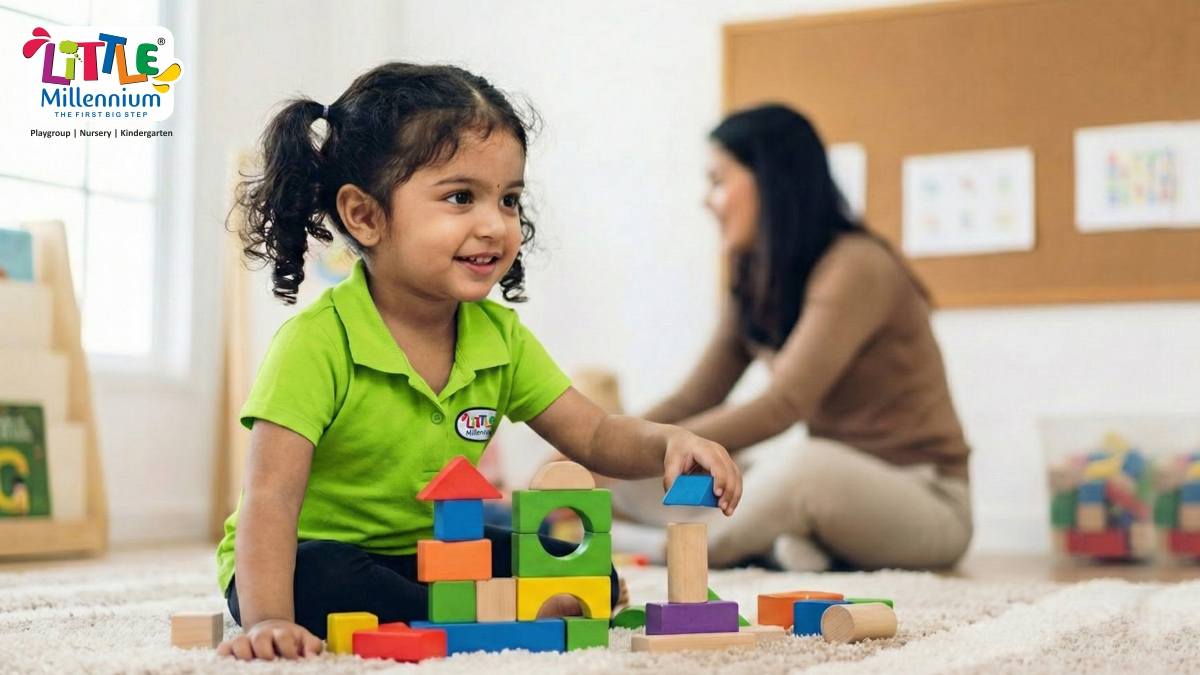
BLOOM is rooted in the award-winning Seven Petal Approach, blending playful exploration with future-ready learning. Activities such as storytelling, sensory play, movement, and early numeracy are carefully designed to build strong foundations for lifelong learning.

Seven Developmental Pillars That Form the Core of Learning

Little Millennium’s curriculum nurtures holistic growth across seven essential areas:

  • Physical Development
  • Literacy Development
  • Numeracy Development
  • Creative Expression
  • Personal, Social & Emotional Development
  • Cultural and Environmental Awareness
  • Nurturing Life Skills & Talent

Nurturing Life Skills & Talent Includes

  • STEAM
  • Reading Program
  • SDGs
  • Digital & Financial Literacy
  • Public Speaking & Communication
  • Mindfulness & Well Being
  • Entrepreneurship

These pillars help children develop confidence, resilience, curiosity, and adaptability key focus areas of NEP 2020.

An Eclectic Philosophy Backed by Global Best Practices

Little Millennium’s approach integrates insights from Montessori education, Tagore’s nature-based learning, Gandhian values, Reggio Emilia practices, Howard Gardner’s multiple intelligences, and neuroscience-based teaching methods ensuring balanced and child-centric learning.

Learning Beyond the Classroom

Programs such as Talent Fiesta Junior, Kids Marathon, Story Yoga, and Kickers Club extend learning beyond academics, supporting physical fitness, creativity, teamwork, and self-expression.

Conclusion

Little Millennium offers a modern, research-driven, NEP-aligned curriculum that prepares children not just for school, but for life nurturing confident, capable, and joyful learners from the very beginning.
1

Outdoor Play Matters

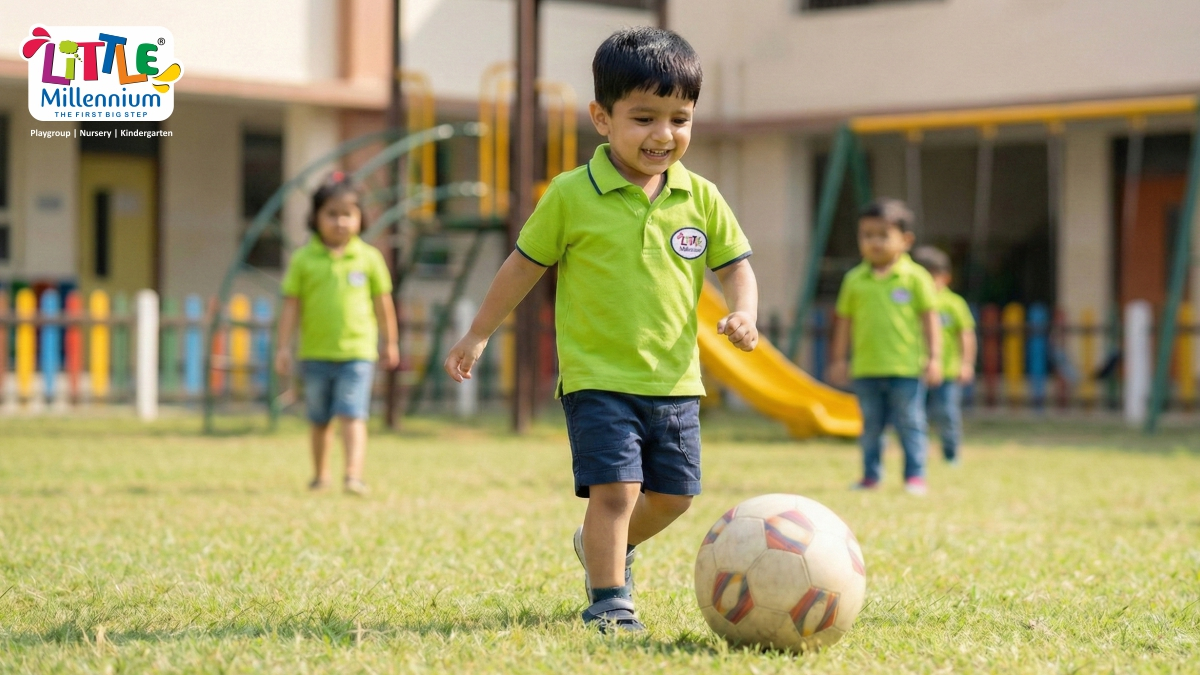
In today’s digital-first world, children are spending more time indoors than ever before. While screens are a part of modern life, outdoor play remains essential for a preschooler’s physical, mental, and emotional development. At Little Millennium, outdoor activities are thoughtfully integrated into the learning experience to support holistic growth.

Why Outdoor Play Matters in Early Childhood

Physical Development

Outdoor play helps children build strength, balance, and coordination through activities like running, climbing, and free movement. These experiences support gross motor skill development, an important focus area within Little Millennium’s Seven Petal Preschool Curriculum, which emphasizes physical and motor development alongside academics.

Sensory & Cognitive Growth

Nature offers rich sensory experiences—textures, sounds, movement, and space—that stimulate curiosity and learning. Outdoor environments encourage exploration, problem-solving, and creativity as children interact with their surroundings in unstructured ways.

Mental & Emotional Well-being

Spending time outdoors helps children relax, release energy, and improve their overall mood. Open play spaces give preschoolers a healthy break from structured activities, supporting emotional balance and well-being.

Social Skills & Confidence

Group play outdoors naturally teaches sharing, cooperation, communication, and empathy. Children learn to take turns, follow simple rules, and build friendships—key skills for social development in the early years.

Outdoor Learning at Little Millennium

Little Millennium incorporates outdoor play through:

  • A curriculum that values physical, social, and emotional development
  • Age-appropriate outdoor activities and movement-based learning
  • Safe, child-friendly play areas designed for exploration and interaction
  • A Balanced Start to Lifelong Learning

Outdoor play is more than just recreation—it is a foundation for healthy growth. By combining structured learning with meaningful outdoor experiences, Little Millennium nurtures confident, curious, and well-rounded children.

If you are looking for a preschool that values holistic development and balanced learning, Little Millennium offers an environment where children can learn, play, and grow every day.

2

Understanding Screen Time

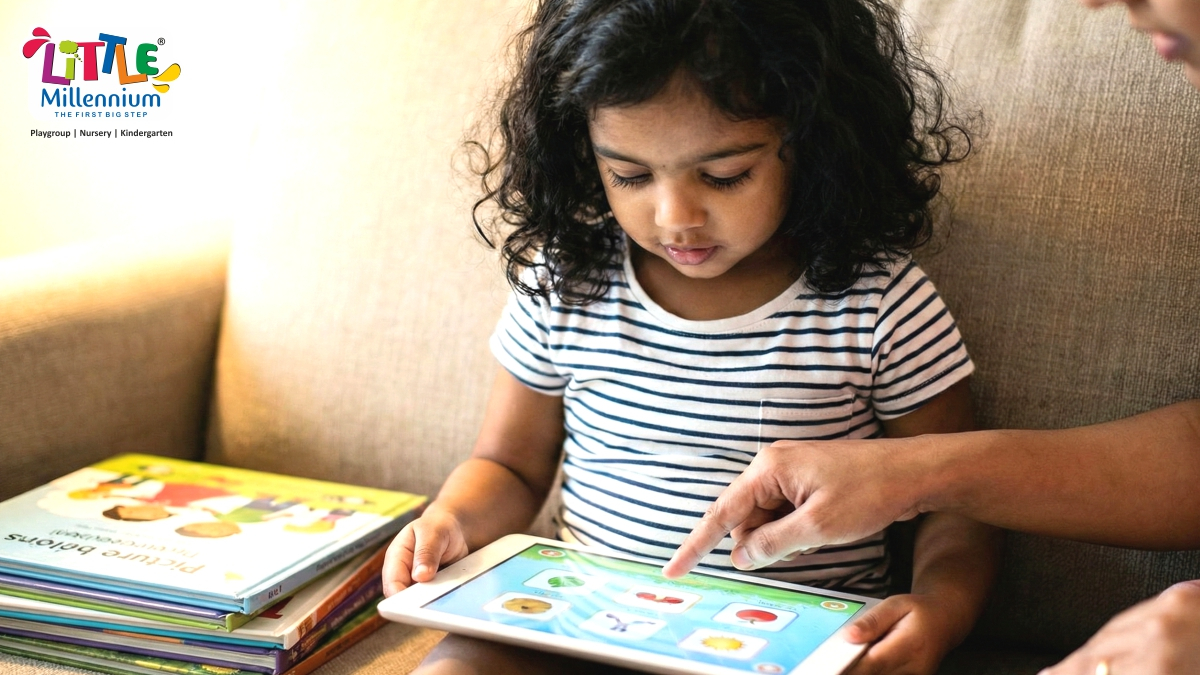
Screens are a part of everyday life—smartphones, tablets, televisions, and computers are all around us. While digital tools can support learning when used appropriately, excessive or unstructured screen time can affect a young child’s overall development. Finding the right balance is essential, especially during the preschool years.

At Little Millennium, technology is used thoughtfully through a balanced learning approach, ensuring that screen exposure never replaces hands-on experiences, play, or real-world interaction.

How Screen Time Affects Young Children


Physical Well-being

Long periods of screen use can reduce active playtime, which is important for developing strength, coordination, and healthy movement habits. Limited physical activity may also affect posture, eyesight, and overall energy levels.


Attention & Learning

Passive screen consumption can shorten attention spans and reduce focus. Young children learn best through interaction—touching, moving, exploring, and asking questions. Screens are most effective when used briefly and purposefully, alongside physical learning activities.

Social & Emotional Development

Face-to-face interactions help children understand emotions, communication, and social cues. Too much screen time may limit these opportunities, making it harder for children to build empathy, confidence, and emotional regulation skills.


Sleep Patterns

Screen use close to bedtime can interfere with sleep routines. Reduced sleep quality can affect a child’s mood, memory, and ability to engage positively during the day.


Encouraging Healthy Screen Habits

Parents can support balanced screen use by:

  • Setting clear daily screen-time limits
  • Avoiding screens during meals and before bedtime
  • Choosing age-appropriate, supervised content
  • Encouraging outdoor play, reading, and creative activities

Little Millennium’s Balanced Approach

Little Millennium follows a learning model where:

  • Digital tools support, not replace, experiential learning
  • Physical, sensory, and social development remain core priorities
  • Teachers and parents work together to guide healthy habits

A Thoughtful Balance for Growing Minds


Screens aren’t the problem—unbalanced use is. With mindful limits and the right guidance, technology can be a helpful tool rather than a distraction.

If you’re looking for a preschool that understands the importance of balanced development, Little Millennium offers an environment where children learn, play, and grow—both on and off the screen.

3

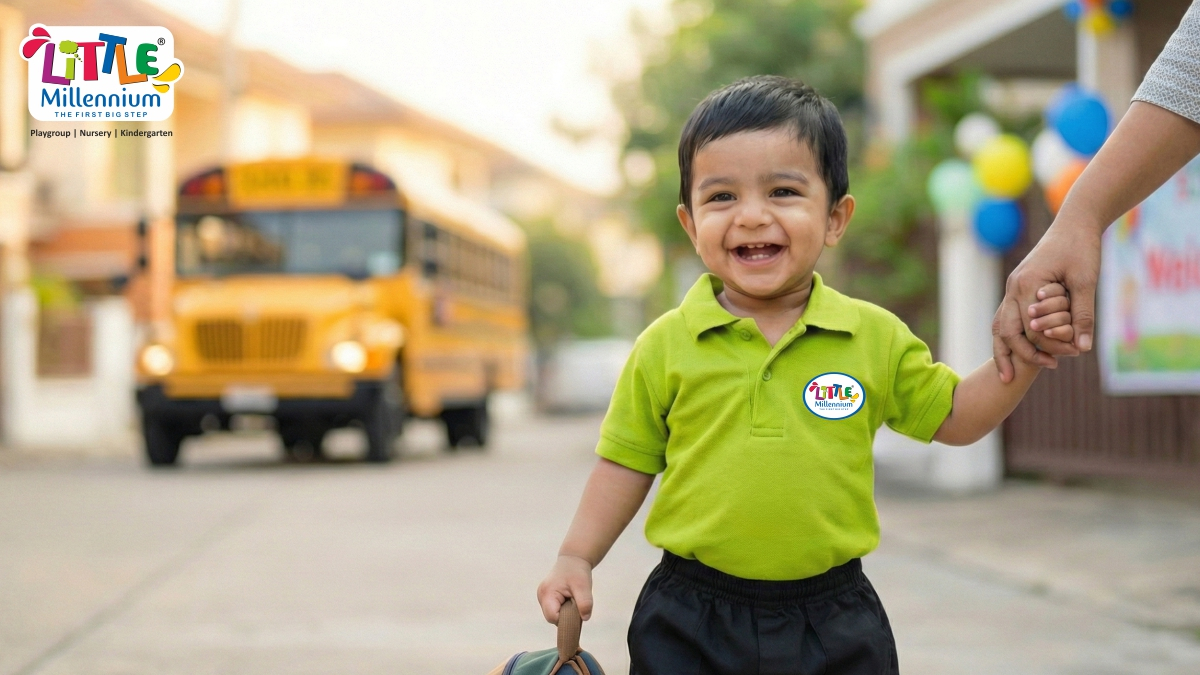
Settler’s Program: A Gentle Start

Starting preschool is a big milestone for every child, and parents naturally want this transition to feel safe, calm, and emotionally secure. At Little Millennium, we believe that a child’s earliest school experience shapes their confidence and love for learning. That’s why our 3-Month Settler’s Program is designed as a gentle, mindful introduction to preschool life.

A Mindful Start Designed for Young Learners

The move from home to school should never feel rushed. Our Settler’s Program allows toddlers to adjust gradually over three months, with shorter hours, personal attention, and nurturing support. This slow-paced approach helps children feel settled, emotionally comfortable, and ready for structured routines.

Settler’s Program
Age Group:
1.5 to 2.5 years
This phase focuses on building trust, familiarity with teachers, and early social connections in a stress-free environment.

Why Parents Choose Little Millennium

Parents trust our Settler’s Program because it is built around a child’s emotional and developmental needs:

  • Future-ready, foundational learning
  • Holistic and adaptive teaching methods
  • NEP-aligned, experiential curriculum
  • High hygiene and safety standards with CCTV surveillance
  • Well-trained, empathetic educators
  • Low teacher–child ratio for individual attention
  • Strong parent–school communication

Powered by BLOOM Curriculum

The program is supported by BLOOM, Little Millennium’s research-driven, play-based curriculum rooted in global early childhood best practices. It focuses on developing essential life skills while nurturing emotional, social, and cognitive growth.

How the Settler’s Program Helps Children Thrive

Over the settling period, parents often notice:

  • Increased confidence and emotional security
  • Reduced separation anxiety
  • Improved social interaction
  • Better routine adaptation
  • Stronger curiosity and learning readiness

Conclusion

For families, Little Millennium’s 3-Month Settler’s Program offers a well-planned, gentle start to preschool. It ensures children step into school life with comfort, confidence, and a positive learning mindset setting the foundation for a joyful preschool journey.