
Why Early Social Skills Matter Most

Why Early Social Skills Matter Most

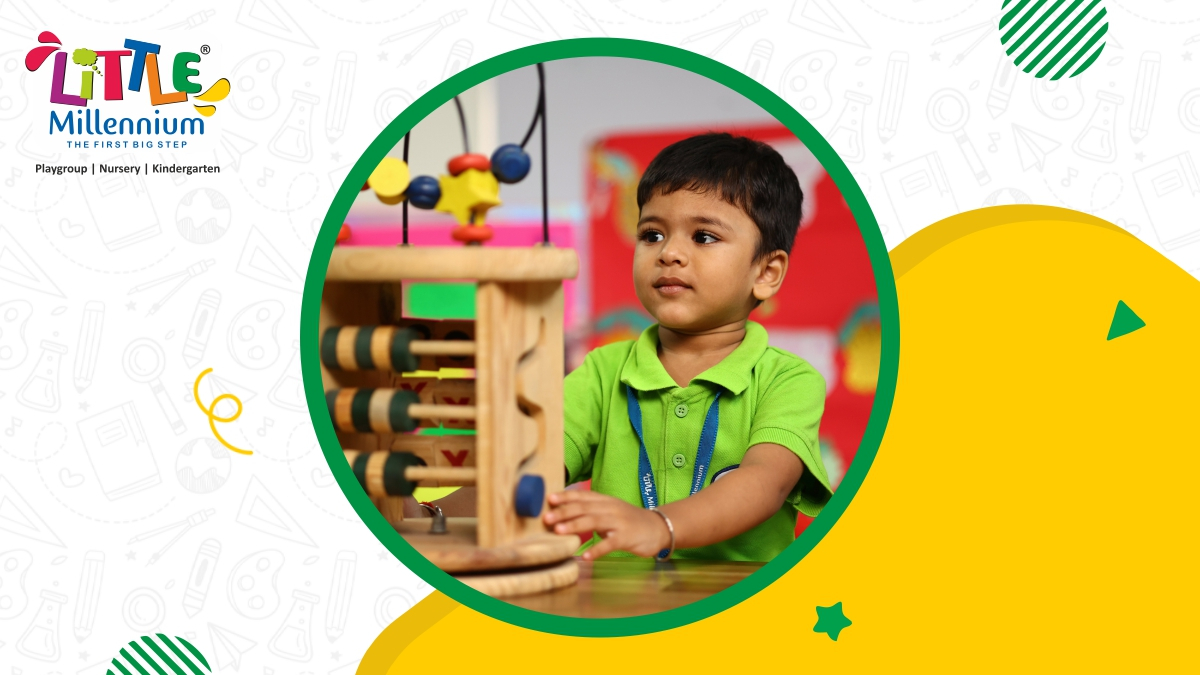
In early childhood education, parents often focus on academic readiness—letters, numbers, and basic cognitive skills. But what truly shapes a child’s future success goes beyond academics: social skills. Developing strong social abilities early on helps children become compassionate, confident, and well-rounded individuals.

Why Social Skills Matter

From ages three to four, children begin interacting more with peers beyond the family. Early social experiences help them:

  • Build relationships: Learn caring, consideration, and respect for others.
  • Manage emotions: Develop patience, cope with frustration, and celebrate others’ successes.
  • Collaborate effectively: Listen, follow instructions, and work in groups.
  • Resolve conflicts and empathize: Negotiate, see others’ perspectives, and find solutions.

Key Social Skills in Early Childhood Education
 Children develop essential life skills through daily interactions and structured activities:

  • Sharing & Taking Turns: Understanding fairness and patience.
  • Empathy: Recognizing and responding to others’ feelings.
  • Listening: Paying attention, following instructions, and responding thoughtfully.
  • Cooperation: Working in teams and adapting to group tasks.
  • Self-Expression: Communicating thoughts and emotions through words, play, or art.

How Little Millennium Nurtures Social Skills
 At Little Millennium, social-emotional development is a core part of the Seven Petal Curriculum. Our approach ensures children gain confidence in social settings through:

  • Role-play and group activities: Encourage teamwork, empathy, and communication.
  • Collaborative tasks: Share responsibilities and practice cooperation.
  • Age-appropriate milestones: Activities build confidence gradually.
  • Supportive environment: Experienced teachers guide interactions, help resolve conflicts, and model positive social behavior.

Final Thoughts: Raising Confident, Empathetic Children
 Early childhood education is about more than academics—it’s where children learn the social skills that help them thrive in life. Sharing, cooperating, expressing themselves, and understanding others lays the foundation for confidence, kindness, and happiness.

At Little Millennium, we create a warm, caring environment where your child can grow, explore, and enjoy learning every day. Visit us to see how our curriculum and supportive teachers help children develop the skills they need to flourish.
Encouraging Independent Learning in Children

Encouraging Independent Learning in Children

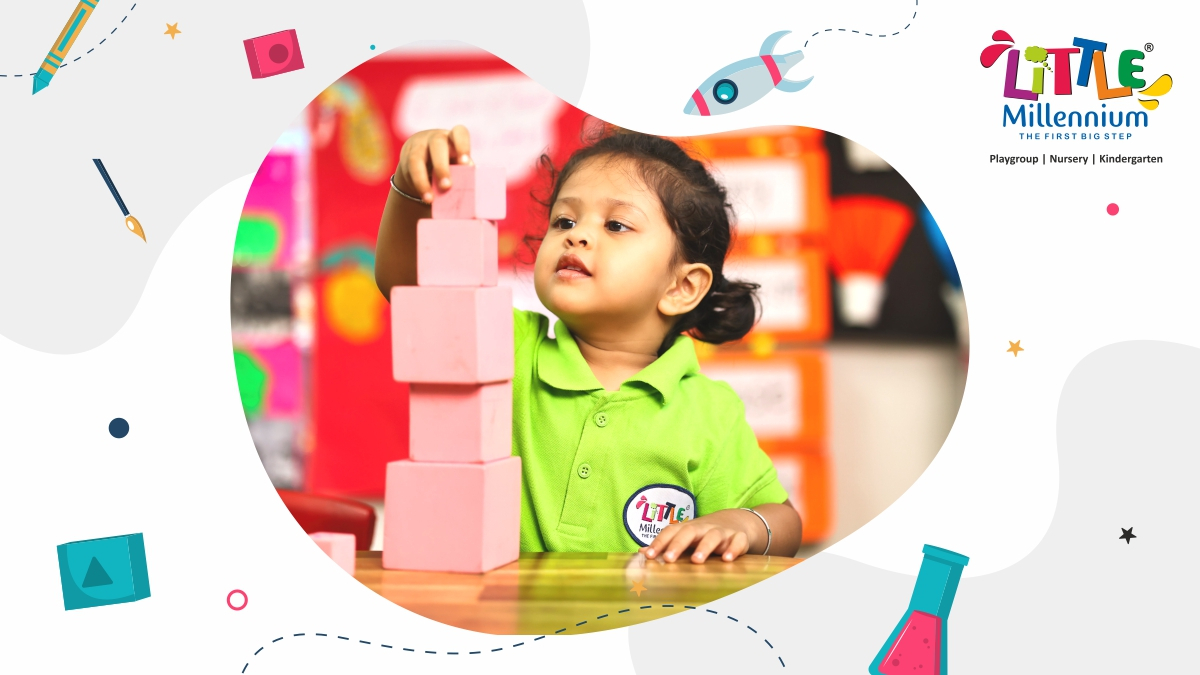
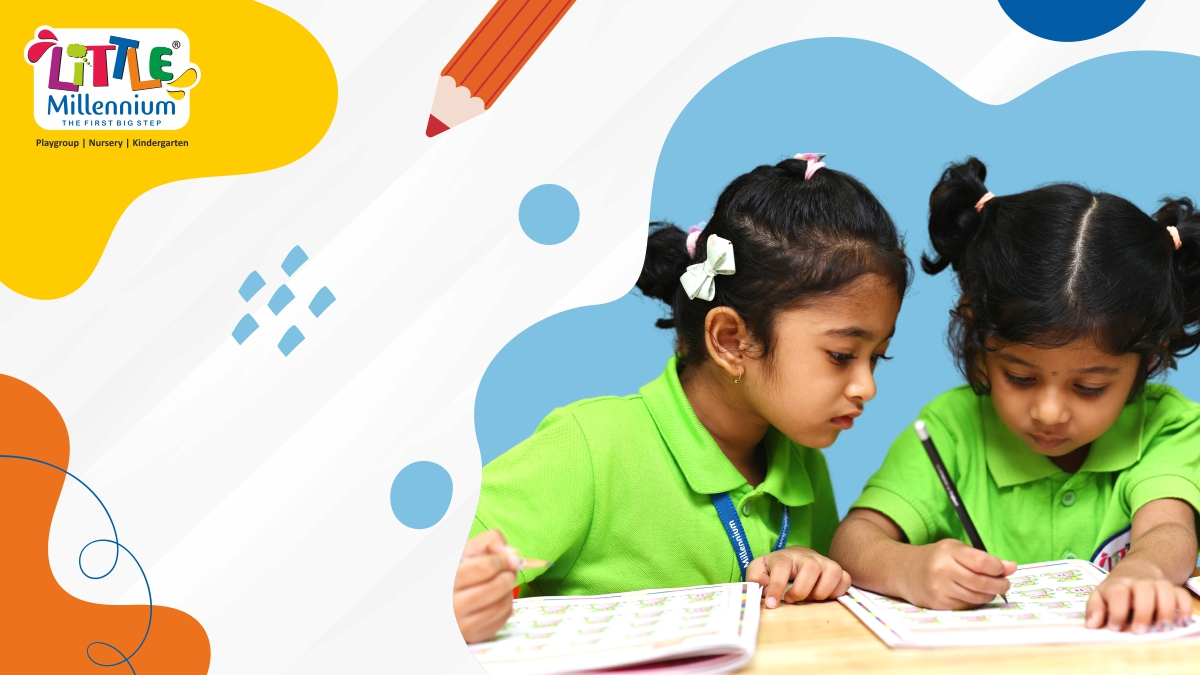
Every parent dreams of raising a confident, curious, and self-driven child — one who loves to learn and explore. If you’re a parent, understanding how to nurture independent learning can make a lasting difference in your child’s growth and development.

While young children naturally rely on guidance, it’s essential to help them think independently, make choices, and take responsibility for their learning. Independent learning fosters resilience, curiosity, and confidence — traits that benefit children in school and life.

At Little Millennium, every child has the potential to be an independent learner. Through hands-on exploration, age-appropriate activities, and our Seven Petal Curriculum, we create an environment where curiosity thrives and learning feels joyful.

Fostering Independent Learning: 8 Ways to Help Your Child Thrive

  1. Nurture a Growth Mindset
     Encourage children to see abilities grow with effort. Celebrate progress and treat mistakes as opportunities to learn, building confidence and a desire to improve.
  2. Create a Learning-Friendly Environment
     Engage children with books, puzzles, and learning tools at home and in classrooms. Promote curiosity and self-directed exploration so learning feels natural and enjoyable.
  3. Set Small Goals
     Introduce simple challenges like finishing a drawing or puzzle. Celebrate small achievements to build ownership, pride, and motivation.
  4. Encourage Problem-Solving
     Guide children to think through problems with open-ended questions. Experiential learning fosters critical thinking and independence.
  5. Encourage Reflection and Discussion
     Invite children to share what they learned. Reflection teaches self-expression, awareness, and helps them evaluate progress confidently.
  6. Model Independent Learning
     Demonstrate curiosity, creativity, and perseverance. Children imitate positive behaviours, learning that learning is lifelong and fun.
  7. Give Them Choices
     Allow children to make decisions on activities or books. This teaches responsibility, guided freedom, and lets them explore interests at their own pace.
  8. Support, Don’t Hover
     Provide guidance while allowing small mistakes. Balance freedom and support to build self-confidence and independence.

Why Parents Trust Little Millennium
 At Little Millennium, independent learning is part of everyday life. Our Seven Petal Curriculum focuses on language, cognitive, social, emotional, and physical development. Through play-based, experiential learning, children become curious, confident learners. Our classrooms provide safe, engaging spaces that build self-expression, problem-solving, and teamwork — foundations for lifelong learning.

Final Thought
Encouraging independent learning isn’t about doing everything for your child — it’s about guiding them to think, explore, and learn with confidence. Parents and teachers working together help children develop self-belief and curiosity for a lifetime of success.

Give your child the gift of confidence, curiosity, and a love for learning. Visit Little Millennium in your city today and see how our Seven Petal Curriculum and play-based, nurturing environment empower children to think, explore, and grow independently. Book a visit or consultation now and watch your child thrive!

Mid-Year Preschool Admissions Open

Mid-Year Preschool Admissions Open

Most parents believe preschool admissions should happen only at the start of the academic year. But here’s the truth — children don’t wait for a calendar to be ready.

Their curiosity, imagination, and eagerness to learn can spark at any moment.

That’s why Little Millennium welcomes mid-year admissions — so your child can start learning the moment they’re ready, not months later.

Whether you’ve just moved to a new city, your child is suddenly showing school readiness, or you simply don’t want to waste precious developmental time, starting now could be the smartest move you make for their future.

  1. Start When the Spark is Fresh

If your child is curious, asking questions, and eager to explore, delaying preschool could slow their momentum. With mid-year admissions, they can jump straight into fun, structured activities that match their energy and enthusiasm.

Why this matters:

  • Prevents learning gaps during key growth stages
  • Introduces early social and classroom routines
  • Builds confidence while excitement is high
  1. A Smooth, Stress-Free Transition

You might wonder — “Will my child feel left out if they join late?”

At Little Millennium, the answer is a clear no. Our teachers personally guide each new child, helping them settle in at their own pace.

Our onboarding includes:

  • A friendly peer buddy to welcome them
  • Gradual introduction to routines
  • Extra attention in the first weeks for comfort and confidence
  1. More Attention from Teachers

Mid-year classes are often smaller, which means more one-on-one time with educators. This allows your child to quickly adapt, ask questions freely, and build a strong teacher bond.

Benefits:

  • Focused support during the transition
  • Faster identification of strengths and areas to improve
  • Greater comfort in classroom participation
  1. Flexibility That Fits Your Life

We know family schedules don’t always match academic timetables. Whether you’ve relocated, changed jobs, or just discovered the perfect preschool, Little Millennium offers flexible start dates so your child can begin learning whenever it’s right for you.

  1. No Missed Developmental Windows

A child’s early years are crucial for brain, social, and emotional development. Waiting for the “next session” could mean missing valuable growth opportunities. Our curriculum ensures mid-year joiners catch up quickly while still enjoying every step of learning.

How we do it:

  • Special activities to bridge learning gaps
  • Integrating ongoing lessons with new concepts
  • Frequent progress updates for parents
  1. Social Skills & Adaptability Boost

Joining mid-year teaches children how to adapt — a skill that helps them for life. They enter a class with established routines, observe, and then naturally join in.

Social benefits include:

  • Making friends quickly
  • Learning to adjust to new personalities
  • Building confidence in unfamiliar situations

Little Millennium’s Curriculum Highlights

Our award-winning Seven Petal Approach ensures holistic growth through:

  • Language Development – Clear speech, vocabulary, and listening skills
  • Cognitive Development – Problem-solving, logical thinking, and decision-making
  • Creative Development – Imagination through art, music, and role-play
  • Socio-Emotional Development – Empathy, teamwork, and confidence
  • Physical Development – Strength, coordination, and motor skills
  • Personal Awareness – Independence, self-care, and responsibility
  • Individual Potential – Identifying and nurturing unique talents

What Parents Say

“We joined Little Millennium mid-year, and I was nervous at first. But within a week, my daughter was happily telling me stories about her friends and teachers. She’s become more confident, talkative, and excited about learning every day.”

— A Happy Parent from Vadodara

The Right Time is Today

If your child is ready to learn, why wait for next year?

Mid-year admissions at Little Millennium are now open. Give them a head start in a loving, structured, and stimulating environment.

Visit your nearest centre, meet our teachers, and see how we can make learning your child’s favourite part of the day.